 Australia & NZ
 中国
中国 India
India Indonesia
 日本
日本 한국
한국 Malaysia
 Philippines
 Singapore
 台灣
台灣 ประเทศไทย
 Tiếng Việt
How a Wastewater Treatment Plant Works – The Essential Guide
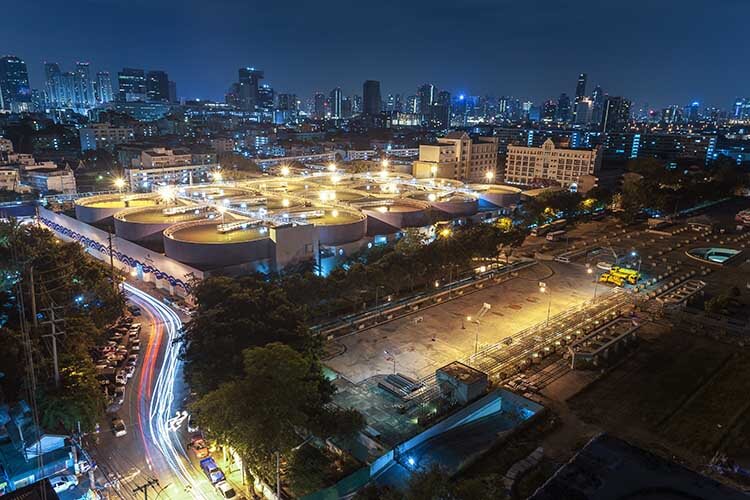
Industrial and municipal wastewater requires extensive treatment to become safe for reuse or return to the environment. This complex cleaning is performed at a specialized facility known as a wastewater treatment plant. These plants use a combination of physical, biological and chemical processes to remove all contaminants, producing treated effluent that is clean and environmentally safe.
What is a Wastewater Treatment Plant?
A wastewater treatment plant is a facility designed to receive, treat and purify water that has been contaminated by human, industrial, or commercial use. The core purpose of any wastewater treatment plant is to accelerate the natural process of water purification through a controlled, multi-stage process, ensuring the output water meets strict regulatory standards.
The Key Stages of the Wastewater Treatment Process
The operation of a wastewater treatment plant can be broken down into three main phases: Primary, Secondary and Tertiary treatment. The goal of each stage is to remove specific types of waste, progressing from large solids to microscopic organisms and chemicals.
1. Preliminary Treatment – Screening and Grit Removal
This initial phase protects the equipment in the rest of the wastewater treatment plant from damage by large solid objects.
- Screening – Wastewater passes through large screens to remove items like plastics, rags, sticks and other debris.
- Grit removal – The flow of water is slowed down in a grit chamber to allow heavy but fine materials like sand, silt and coffee grounds to settle out.
2. Primary Treatment – Sedimentation
In this physical process, wastewater flows into large primary clarifiers (sedimentation tanks), where its velocity is reduced dramatically. This allows organic and inorganic solids to settle to the bottom of the tank. This settled material is called primary sludge. Meanwhile, lighter materials like grease and oils float to the surface and are skimmed off.
3. Secondary Treatment – Biological Processes
The secondary stage of a wastewater treatment plant uses microorganisms to consume the dissolved organic pollutants that remain after primary treatment.
- Aeration – Water is moved to aeration tanks where air is pumped in. This encourages the growth of aerobic bacteria that digest the fine organic matter.
- Secondary clarification – The water then flows to another set of tanks where the now-heavy clumps of bacteria (activated sludge) settle out.
4. Tertiary Treatment – Polishing and Disinfection
The final stage is designed to polish the water to a high standard, often for safe discharge into rivers or for reuse (reclaimed water).
- Filtration – Water is filtered through fine media (e.g sand or membrane filters) to remove any remaining microscopic particles.
- Disinfection – To eliminate any harmful pathogens, the water is treated with disinfecting agents. Common methods include:
- Chlorination – Using chlorine.
- UV disinfection – Exposing water to ultraviolet light.
- Ozonation – Using ozone gas.
- Nutrient removal – Advanced plants may also have processes to remove excess nutrients like nitrogen and phosphorus to prevent algal blooms in the environment.
The Critical Role of Wastewater Treatment Plants
A modern wastewater treatment plant is essential for public health and environmental protection. By effectively removing contaminants through a meticulous multi-stage process, these facilities ensure our water sources remain clean and sustainable.
NCH Asia is a leading provider of advanced solutions for wastewater treatment plants. We offer innovative technologies for biological treatment, odor control, sludge management and maintenance to help facilities operate more efficiently and effectively. Contact our experts today to learn how we can support your wastewater treatment challenges.